Last updated October 30, 2026
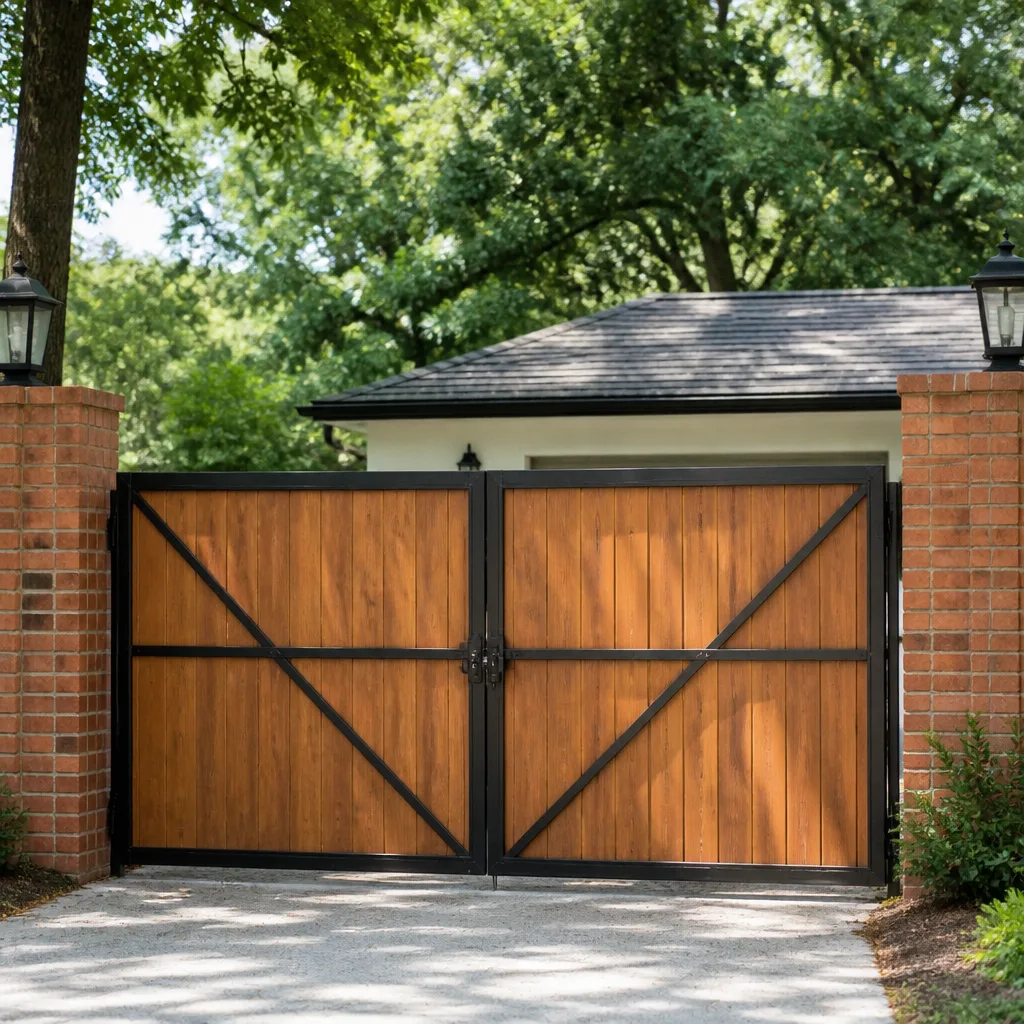 Wood & steel frame
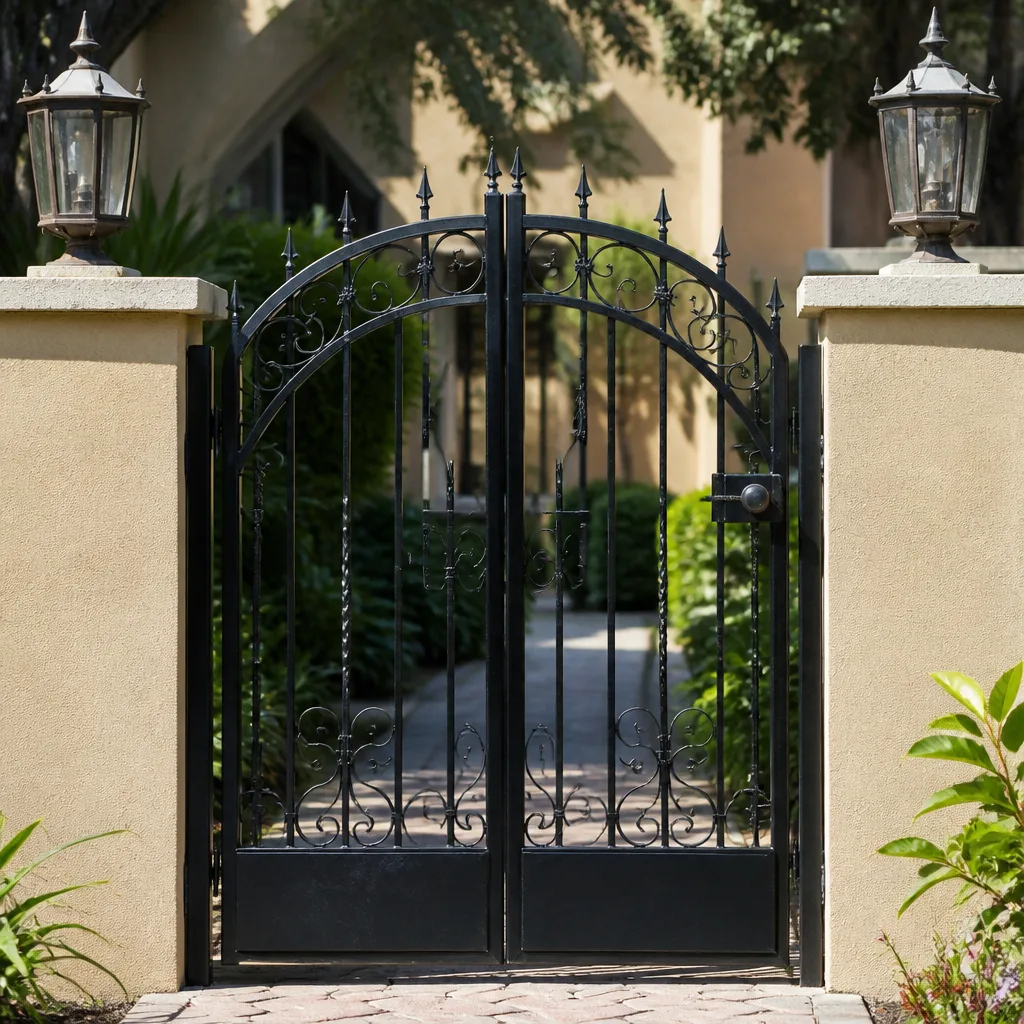 Wrought iron
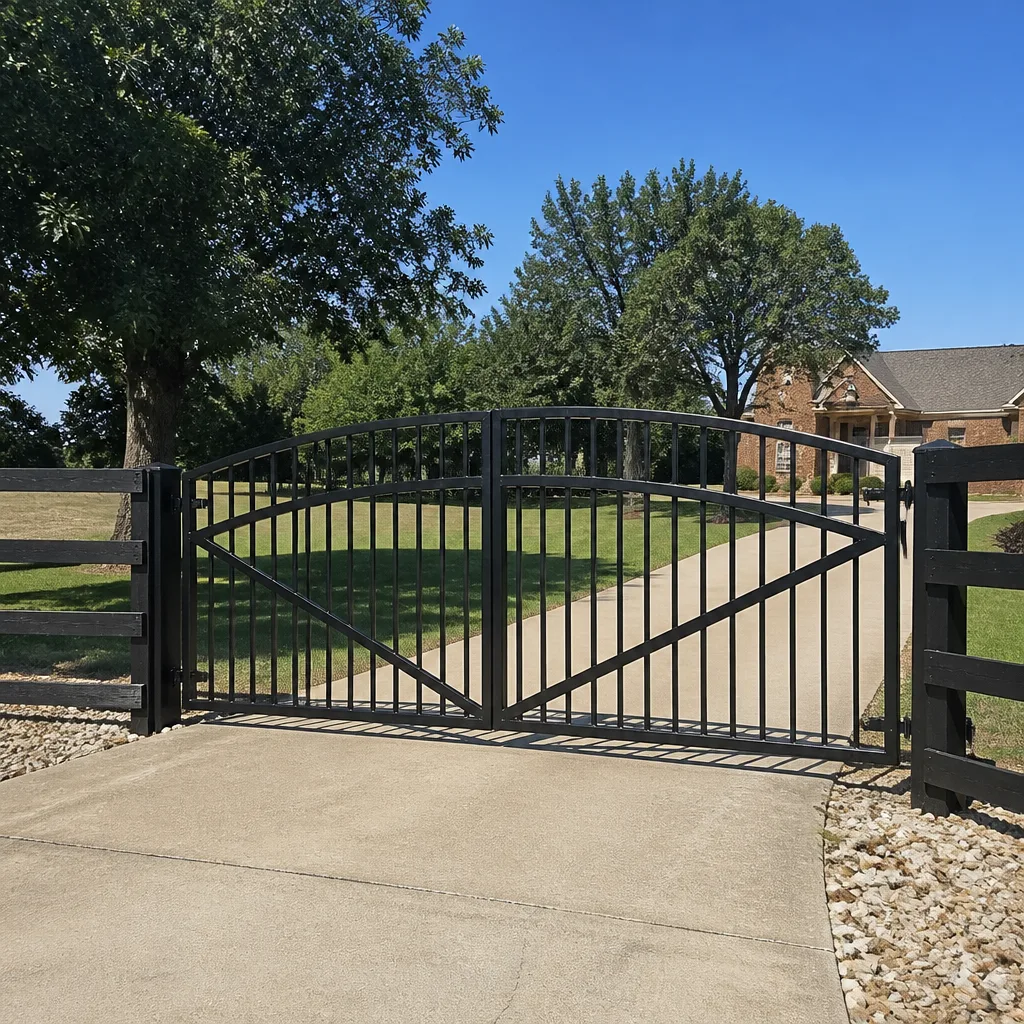 Farm & ranch
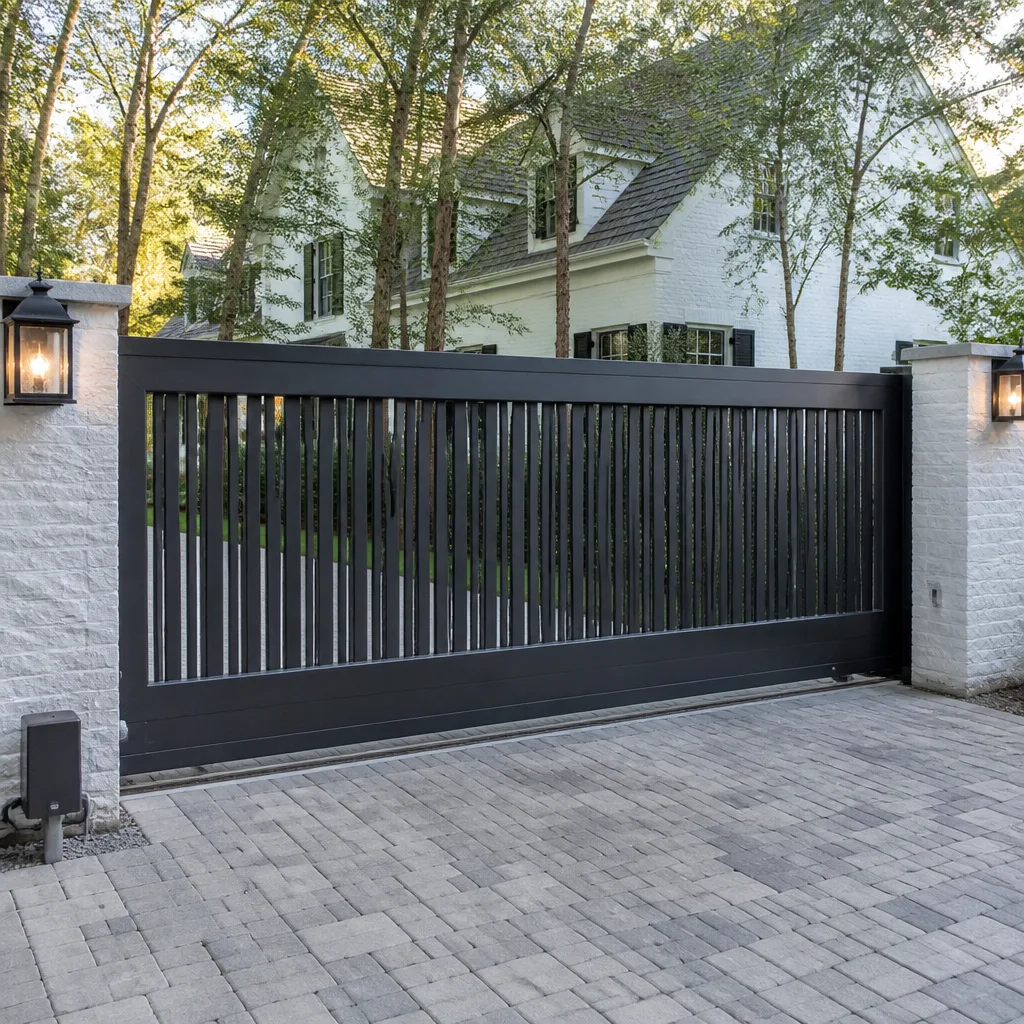 Sliding driveway gates
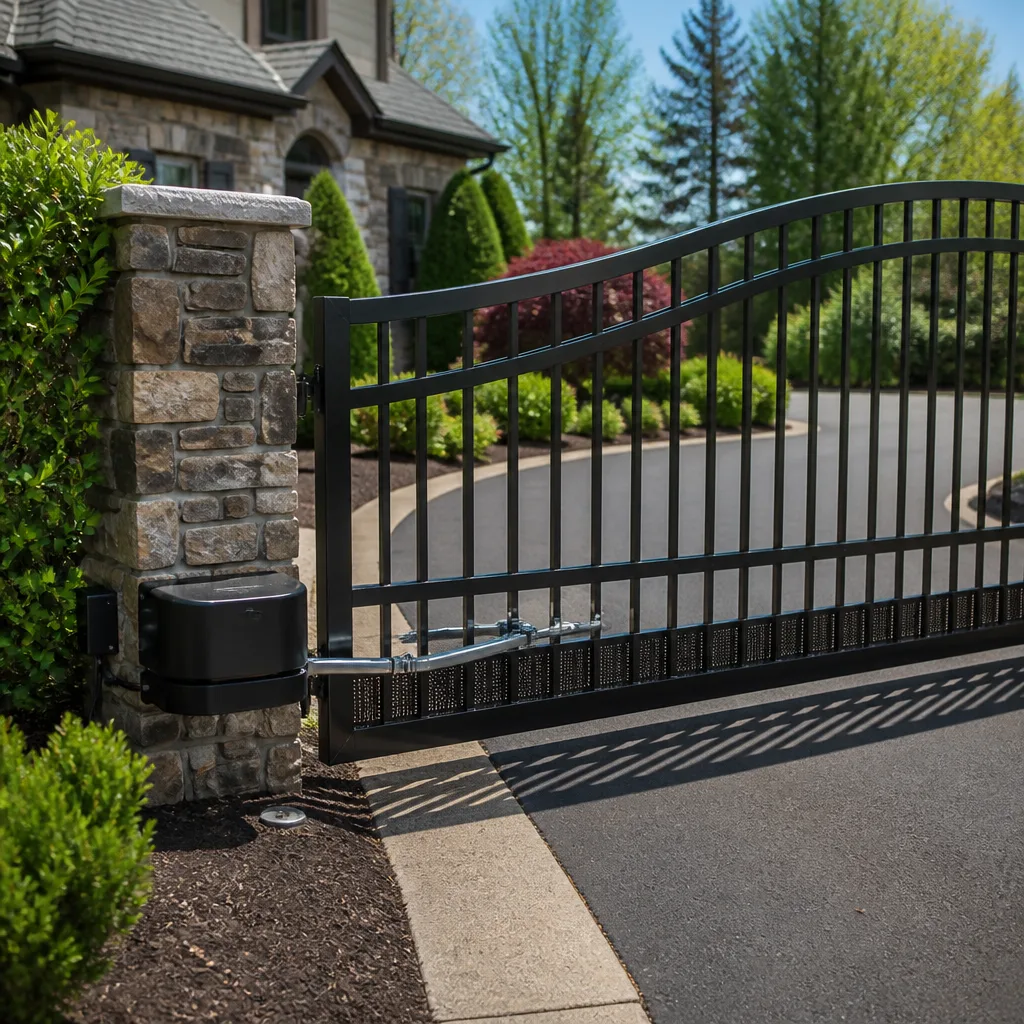 LiftMaster operators
Free on-site gate assessment - hinges, posts, and your LiftMaster or Nice gate operator checked before anything is quoted
The assessment is free and the quote is the invoice.
Get your free estimateSeasonal Gate Repair Care for Hollywood: Year-Round Homeowner’s Guide
Ninety percent of the emergency gate calls we take in Hollywood between November and January trace back to something that started breaking in October. A battery weakened by summer heat finally gives out. A photo eye knocked out of alignment by a September thunderstorm stops reading the beam. A hinge that was borderline during the rainy season finishes failing when the first dry cold front snaps through. The pattern is consistent enough that we can predict it. This guide covers what the two real seasons in Hollywood, FL do to your gate system, what to check before and after each one, and the annual reset tasks that determine whether you get ten years out of your operator or four. If you own an automated gate in this climate, the maintenance clock runs differently here than it does anywhere else in the country.
Styles & brands we work with
Quick Answer
Seasonal gate care in Hollywood means preparing your gate for hurricane season between April and May, inspecting it systematically after every major storm, and then addressing the dry-season threats of UV damage, salt buildup, and power fluctuations from December through March. The single most important annual task is testing your battery backup and replacing it every two to three years, because heat kills batteries faster than anything else in South Florida. Beyond that, monthly visual checks on hinges, photo eyes, and the operator’s response to your remote take ten minutes and prevent most emergency calls.
Table of Contents
- The Two Seasons That Actually Matter in Hollywood
- Pre-Hurricane Season: April to May Checklist
- During a Storm: When to Power Down and When to Lock Open
- Post-Storm Inspection: The Sequence That Prevents Bigger Failures
- Dry Season: December Through March Threats
- Annual Reset Tasks: When to Replace Instead of Repair
- What We See on LiftMaster, FAAC, BFT, and Linear Systems in Hollywood
- Common Mistakes to Avoid
- When to Call a Professional
- Frequently Asked Questions
- The Bottom Line
The Two Seasons That Actually Matter in Hollywood
Hollywood doesn’t have four seasons. It has two that damage gates: hurricane season, running June through November, and the dry heat of winter, running December through March. Each one attacks different components in different ways, and the homeowner who understands that distinction is the one who doesn’t get caught by an operator that fails at 7 a.m. on a workday.
Hurricane season is about moisture, wind load, and debris. Rain drives into motor housings. Salt-laden air from the Atlantic, less than four miles east of many Hollywood neighborhoods, accelerates corrosion on exposed steel. Wind pushes against the gate face, and if the gate is automated, that wind load gets transferred directly into the operator gears. A gate that hasn’t had its mechanical checks done is a gate that becomes an eight-foot sail during a tropical storm warning.
Dry season is subtler and, in our experience, more responsible for total system failures. Hollywood’s winter months bring lower humidity but also sustained UV exposure on control boards, keypads, and wiring insulation. Homes in Emerald Hills, Driftwood, and the Lakes neighborhoods deal with the same combination: bright sun, occasional salt haze, and utility demand peaks that cause brief voltage drops. Electronics hate voltage drops. Operators that spend years tolerating them burn out control boards prematurely.
Treating gate repair in Hollywood as a seasonal discipline rather than an emergency reaction is the difference between a $150 part replacement and a $900 operator swap. The sections below walk through what to do and when to do it.
Pre-Hurricane Season: April to May Checklist
By mid-April, the Atlantic is already organizing. The five weeks between April 15 and May 31 are the window for hardening your gate before the first named storm arrives. In Hollywood, that timing isn’t arbitrary; it’s when the soil is still relatively dry and hinge alignment is easiest to verify before daily thunderstorms start softening the ground around gate posts.
Here is the checklist we recommend for every automated gate in Hollywood before June 1:
- Test the battery backup under full load. Disconnect power (or flip the breaker) and run the gate through a full open-close cycle on battery only. If the gate slows noticeably or stalls, replace the battery before hurricane season. A battery that can’t run the gate during a power outage means you’re the person standing in the rain with a key and a manual release cord.
- Inspect all four hinge points on swing gates, or the track and rollers on slide gates. Look for rust bloom, movement in the post, or a gate leaf that has dropped more than a half inch from level. In Hollywood’s humidity, hinge wear accelerates every year the gate hasn’t been re-greased.
- Verify the photo eye alignment. Storm winds move these constantly. A photo eye that’s off by five degrees will cause intermittent failure, and intermittent failures become permanent when debris builds up on the lens.
- Check the operator cover seal. LiftMaster and Linear residential operators use rubber gaskets that crack in sustained UV. A cracked gasket admits rain during a storm, and that’s how you end up with a burned control board in August.
- Tighten all mounting bolts on the operator, the gate brackets, and the receiver antenna. Wind transmits vibration through every loose connection, and loose connections are how sheared bolts happen.
- Lubricate hinge pins and the chain or gear rack with a marine-grade lubricant. Not WD-40. Not motor oil. A proper lithium or marine grease that won’t wash off in the first half hour of a tropical downpour.
- Confirm the manual release works smoothly. If your gate has a release key or lever, test it now. You don’t want to discover a seized release when a Category 2 is bearing down and you need to leave the gate locked open.
This is also the moment to consider whether your operator is even worth hardening. If your system is a Mighty Mule or Ghost Controls opener that’s seven or eight years old and has been through multiple Hollywood hurricane seasons, it may make more sense to replace the operator before the storm than to repair it after. We walk through that decision in the Annual Reset Tasks section below.
During a Storm: When to Power Down and When to Lock Open
This is the section most gate guides skip, because most gate guides are written by manufacturers in Ohio. In Hollywood, the decision you make during a storm determines what you’re dealing with when it’s over.
The rule we give every client: for any storm with sustained winds forecast above 60 mph, remove the gate from automation entirely. That means one of two things, depending on the gate’s role.
If the gate secures something critical like a driveway that blocks access to a backup generator or a rear entry that gives emergency vehicle access, lock it open. Use the manual release, swing or slide the gate to its full open position, and pin or chain it in place. A gate that’s locked open can’t be torn from its track by wind gusting around a corner of the house, and it can’t trap you on the wrong side of the property if a tree limb takes out the operator.
If the gate secures the property front and you’re staying in place, power the system down at the breaker and leave the gate in its current closed position. The gate structure itself can typically handle high winds if it’s not being cycled. What it can’t handle is an automated cycle starting while a 70 mph gust pushes against the leaf. That’s when gears strip and chains snap.
One specific note for Hollywood homeowners: during a power outage, your operator’s battery backup will try to keep the system live. If the storm is overhead and the gate keeps attempting to respond to remotes or keypads, that battery drains quickly. Power the operator down at the breaker and then also disconnect the battery terminal, not just the AC. A half-drained battery that sits for three days after the storm is often unrecoverable.
Here is the during-storm protocol we recommend, in order:
- If winds are forecast above 60 mph, release the gate and pin it open (critical access) or power down and leave it closed (property security).
- Kill power at the breaker. Unplug the battery from the control board if your operator has one.
- Remove anything within ten feet of the gate’s swing or slide path: trash cans, potted plants, bicycles. Debris in the path is how gates get jammed mid-cycle after the storm.
- Do not attempt to operate the gate during the storm unless there is a genuine safety emergency. Every cycle during high wind is rolling the dice on the operator.
After the storm passes, resist the urge to power everything back on and test it. Do the post-storm inspection first, in the order laid out below.
Post-Storm Inspection: The Sequence That Prevents Bigger Failures
After any storm with winds over 40 mph or more than a couple inches of rain, a specific inspection order matters. The order exists because re-energizing an operator before you’ve checked the gate’s physical structure can send a bent panel into a motor that wasn’t broken before you tested it. In other words, your inspection sequence can either reveal damage or create it.
Here is the order we follow on every post-storm call in Hollywood:
- Inspect the gate structure before touching anything electrical. Walk both sides of the leaf. Look for bent pickets, a sagging corner, or a leaf that’s no longer parallel to the ground. Check that the gate’s weight hasn’t shifted onto one hinge or one section of the track. If the gate is physically damaged, do not run the motor.
- Check hinge brackets and post mounts. On swing gates, look for hairline cracks at the weld points and any sign the post itself has moved in the ground. South Florida soil after heavy rain expands and contracts more than most people realize, and a post that’s shifted a quarter inch can throw off the entire operator.
- Check the track or ground rail for debris and alignment. On slide gates, wind blows branches, palm fronds, and roofing material into the track. Clear the entire path before you even think about the operator.
- Inspect the operator housing. Look for standing water, a displaced cover, or a gasket that’s torn. If the cover is open at all, do not power up. Moisture inside the housing plus electricity equals a fried board.
- Check the battery for swelling or heat. A battery that took a charge during the storm when the power flickered on and off may have been stressed. Swelling is a fire hazard. Replace it.
- Reconnect the battery, then restore AC power, then test. In that order. Battery first, then breaker. If the operator doesn’t respond or cycles erratically, disconnect everything and call a technician before running it again.
If anything in steps one through five is outside normal, the gate shouldn’t be re-automated. This is where a dedicated gate repair company earns its keep: we diagnose the specific interaction between the structure and the electronics, rather than fixing whichever one is more obviously broken and missing the underlying problem. Electric gate repair in Hollywood after a storm often means addressing both a hinge that moved and the operator that compensated for it, which is why one call that covers the gate and the operator saves a second trip.
Dry Season: December Through March Threats
Hollywood’s dry season is where gates die quietly. No dramatic storms, no falling trees. Just three specific threats that compound week after week, and they explain the January spike in our emergency board.
UV degradation. Control boards, keypad faces, and wiring insulation all break down under sustained UV exposure. Miami-Dade and Broward County sun is unrelenting even in December and January. The control board on a gate that faces west in Hollywood’s west-side neighborhoods, with no shade and direct afternoon exposure, can easily lose five years off its expected service life compared to the same board in a shaded east-side installation. Look for yellowing plastic, brittle wire sheathing, and keypad buttons that require increasingly hard presses. These are early warnings.
Salt crystallization. Hollywood sits close enough to the ocean that salt in the air is a constant. During humid months, that salt dissolves into a corrosive film. During the dry winter months, the salt crystallizes on exposed hardware: hinge bolts, gate latches, keypad connectors, the exposed terminals on a LiftMaster or Linear operator. Crystallized salt concentrates corrosion in exactly the spots that need to move freely. The fix is simple but most people never do it: rinse exposed hardware with fresh water and re-coat with a marine protectant every six to eight weeks during dry season.
Power fluctuations. Florida’s winter utility demand peaks create brief brownouts and voltage sags, especially during cold snaps when heat pumps across the state kick on simultaneously. Operators with aging capacitors or weakened batteries feel these sags hardest. A FAAC or BFT operator that’s been reliable all year might start resetting randomly in January, and the homeowner assumes the board is bad. Often it’s a dying capacitor that was marginal and couldn’t ride out the voltage dip. These are the calls where we replace a $40 capacitor and solve a problem the homeowner feared was a $500 board replacement.
The dry season checklist is shorter than the hurricane season one, but it should happen every month:
- Rinse exposed metal hardware with fresh water and re-coat.
- Test the gate’s automatic reverse function with a physical obstruction.
- Run the keypad through a full entry code test.
- Watch the gate cycle once and listen for changes: new scraping, grinding, or hesitation.
- Check the operator housing for sun cracks along the top edge.
These checks take ten minutes and catch the slow failures before they become no-power mornings. If your system has been through multiple Hollywood dry seasons and you’re noticing any of these warning signs, it’s worth considering whether the operator has reached its replacement threshold rather than throwing parts at it.
Annual Reset Tasks: When to Replace Instead of Repair
West of I-95 in Hollywood, gate operators live harder lives than the manufacturer estimates suggest. Those estimates are written for national averages, often based on installations in drier, cooler climates. A residential operator that a manufacturer rates for ten years of service will realistically give you six or seven in Hollywood’s heat, humidity, and salt air. That’s not a criticism of the operator. It’s the environment.
So the annual reset question isn’t just “what should I repair?” It’s “what has reached the point where repair isn’t the right spend?” Here is how we benchmark it:
- Batteries: Replace every two to three years in Hollywood, regardless of test results. Heat shortens battery life more than any other factor. A battery that tests fine in April can fail in July.
- Photo eyes: Replace in pairs every five to seven years if they’re exposed to direct sun and salt. Cloudy lenses and corroded terminals are the two most common causes of “my gate opens but won’t close” calls.
- Control boards: Expect five to eight years in Hollywood conditions for residential-grade boards. If your board has failed twice and the operator is over eight years old, replace the operator. The third board won’t outlast the rest of the machine.
- Hinges on swing gates: Heavy-use swing gates in Hollywood typically need hinge replacement or re-welding at the seven-to-ten-year mark. If the gate has dropped and the hinges show visible wear, replacing hinges before they fail keeps the operator from chewing through gears trying to move a misaligned load.
- The gate structure itself: In salt air, steel gates begin showing structural rust at the bottom rail connection points after about eight to ten years. You can patch and repaint once, maybe twice. After that, the metal is compromised and patching is cosmetic.
The hardest truth for most homeowners is that an operator replacement is often cheaper than nursing a dying one through another two hurricane seasons. A new residential operator, properly installed and paired with the correct battery backup, resets your entire clock. When you’re deciding between spending $400 on parts for an eight-year-old unit or $900 on a new operator with fresh weather seals and a two-year manufacturer warranty, the math usually favors replacement in Hollywood’s climate. This is where brand-agnostic diagnostics matters. We service all the major operator brands, so our recommendation is based on what’s failing and what it costs to fix, not on moving inventory.
If a full replacement is the call, gate installation in Hollywood that includes both the structural work and the operator is something we handle as a single scope. You don’t coordinate a fencing company and an electrician. One crew, one call, one accountable party.
What We See on LiftMaster, FAAC, BFT, and Linear Systems in Hollywood
Different operator brands fail differently in South Florida, and after years of servicing all of them, the patterns are consistent enough to mention. This is the kind of detail that only comes from working on the brand, not reading the manual.
LiftMaster residential swing and slide operators are the most common we see in Hollywood HOAs and single-family homes. The weak point in this climate is the plastic gear assembly inside the operator body. Heat and humidity accelerate wear, and when the gear strips, the motor spins but the gate doesn’t move. Homeowners often assume the motor died. Usually it’s the gear, which is replaceable. The other common issue is the battery: LiftMaster’s 7Ah batteries are standard, and in Hollywood we recommend swapping them every two years rather than waiting for failure.
FAAC operators are more common on higher-end residential and light commercial slide gates in Hollywood. They’re hydraulic in many models, which means they handle heat better than gear-driven units but suffer when seals dry out. A FAAC that sits unused for long stretches during the summer months can develop slow internal weeping, and symptoms show up as a gate that creeps or fails to hold position. If you own a FAAC in Hollywood, run it through a full cycle at least once a week, even when you have no reason to open the gate.
BFT systems appear frequently on condo and HOA entry gates across Hollywood. BFT control boards are sensitive to power fluctuations, and dry-season voltage sags are their primary killer. A whole-house surge protector upstream of the operator doesn’t solve the problem; what helps is a dedicated surge suppressor at the operator’s disconnect. We install those routinely on every BFT we service in Hollywood because the January brownout spike is that predictable.
Linear is the workhorse of residential gates in Hollywood, especially the older models with chain-driven slide operators. They’re simple and durable, but they don’t tolerate moisture in the limit switch housing. The limit switch is the component that tells the operator where to stop, and when corrosion gets into the switch contacts, the gate stops at wrong positions or reverses randomly. This is a $40 part and a thirty-minute fix, but only if someone diagnoses the actual switch rather than replacing the whole operator because “it’s acting weird.”
We work on your brand. Whether it’s a LiftMaster, FAAC, BFT, or Linear, the difference between a generalist who’s seen one of them and a gate specialist who’s seen all of them is real. The patterns above come from volume.
Common Mistakes to Avoid
- Testing the battery only during hurricane season. By then it’s too late. A battery that sat through a Hollywood summer has already lost capacity. Test it in April, replace it in May, not during a June storm watch when every supplier in the county is backlogged.
- Lubricating with WD-40. WD-40 is a solvent that briefly loosens rust and then evaporates. It actually strips away the lubricant your hinges need. Hollywood’s humidity means you need grease that stays put, not spray that flashes off.
- Ignoring the gate’s manual release until you need it. In a storm, when the power’s out and the gate is stuck closed, a seized release mechanism turns a minor inconvenience into you climbing over an iron fence. Test the release monthly.
- Re-energizing the operator immediately after a storm. This is how a bent track that was repairable becomes a stripped gear that requires a new operator. Inspect the structure first, always.
- Assuming a “fine” battery is fine. Batteries fail suddenly and completely. They don’t give a two-week warning. In Hollywood’s heat, a battery that’s past three years old is a liability regardless of what the test says.
- Treating corrosion as cosmetic. Surface rust on a hinge bolt in Hollywood becomes structural rust faster than anywhere else in the continental U.S. Salt air and daily humidity cycles mean surface oxidation becomes pitting in months, not years. Remove and replace corroded hardware when you see it.
- Buying a replacement operator based on price instead of duty cycle. Residential operators sold at big-box stores are rated for an average number of cycles per day. A Hollywood home on a busy street, or an HOA gate cycling fifty times a day, exceeds that rating within months. Match the operator’s duty cycle to your actual usage.
When to Call a Professional
Not every gate issue requires a service call. A gate that needs hinge lubrication or a keypad battery replacement is genuinely DIY territory. But certain symptoms indicate a problem you shouldn’t chase with a multimeter and a YouTube video. Any time the operator blows a fuse or trips a breaker more than once, there’s an electrical fault, not a bad fuse. Any time the gate moves irregularly, grinding or jerking, the motor or gear train is under stress that will eventually destroy it. Any time the photo eyes fail repeatedly despite cleaning, the wiring or the board has a fault that calls for professional diagnosis. Any time a gate has come off its track or a hinge weld has cracked, that’s structural work with safety implications, not a weekend project. And any time water has been inside the operator housing, you need a technician before you energize it again. In Hollywood, Hacienda Gate Repair offers free estimates on all gate repair in Hollywood, including post-storm inspections and pre-season hardening checkups. Call (855) 362-1433 and we’ll tell you what we find and what it costs to fix before doing any work.
Frequently Asked Questions
We recommend a full seasonal service twice a year in Hollywood: once in April or May before hurricane season, and once in November or December before dry-season power fluctuation spikes. Between those, run the monthly checks described in the dry season section. Most gate failures in this climate can be caught during a scheduled service before they become emergencies.
The most common cause is battery failure, either in the operator’s backup battery or in the remote transmitter. Hollywood’s heat cycle kills batteries faster than the manufacturer ratings assume, and a dead battery presents as a gate that simply doesn’t respond when you press the remote. The second most common cause is photo eye misalignment, which typically presents as a gate that starts to close and then reverses.
For winds over 60 mph, remove the gate from automation. If the gate blocks access to something critical, lock it open. If it secures the property and you’re staying in place, power everything down and leave it closed. Do not cycle the gate during the storm unless there’s a genuine emergency. Wind load during a cycle is how operators get destroyed.
Yes. Hollywood’s proximity to the Atlantic means constant airborne salt, which crystallizes on exposed terminals, hinge bolts, and keypad connectors during the dry winter months. The salt concentrates corrosion at exactly the points that need to move or maintain electrical contact. Monthly rinsing of exposed hardware and application of a marine protectant is the single most effective countermeasure.
Realistically, six to eight years for a residential operator in Hollywood conditions, compared to the eight-to-ten-year manufacturer estimates. Heat, humidity, salt air, and power fluctuations all shorten service life. If your operator is past seven years old and requires a third major repair, replacement is usually the better financial decision than continued patchwork.
Yes. Hacienda Gate Repair covers the gate itself and the automation system in a single service call, including manual gate repair, electric gate repair in Hollywood, and full gate installation in Hollywood. One call covers the gate and the operator, so you’re not coordinating a fencing company and an electrician. Call (855) 362-1433 for a free estimate.
The Bottom Line
Hollywood’s gate care calendar runs on two seasons: the wet season that breaks things dramatically and the dry season that kills things quietly. Preparing in April and May with structural checks and battery replacement saves you from being the person doing an emergency manual release in the rain. Inspecting systematically after every storm saves you from turning a bent hinge into a stripped gear. And paying attention to UV damage, salt buildup, and voltage sags from December through March saves you from walking out to a dead operator on a January morning. The maintenance is not complicated. It’s consistent. Ten minutes a month, a serious checkup twice a year, and replacing components before they fail rather than after. That’s the entire system. The gates that survive decades in Hollywood belong to the homeowners who follow it.
Written by the team at Hacienda Gate Repair, serving Hollywood since 2012.
See the difference
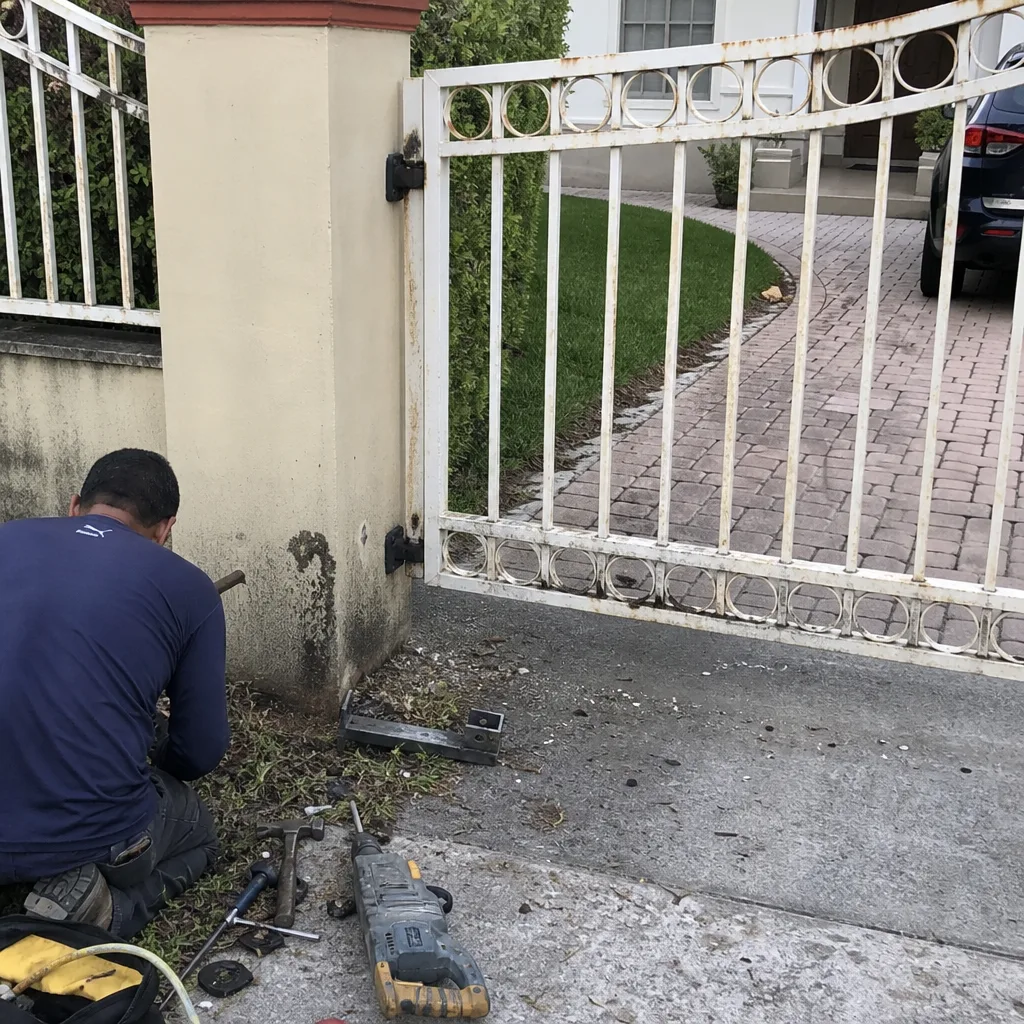 Before
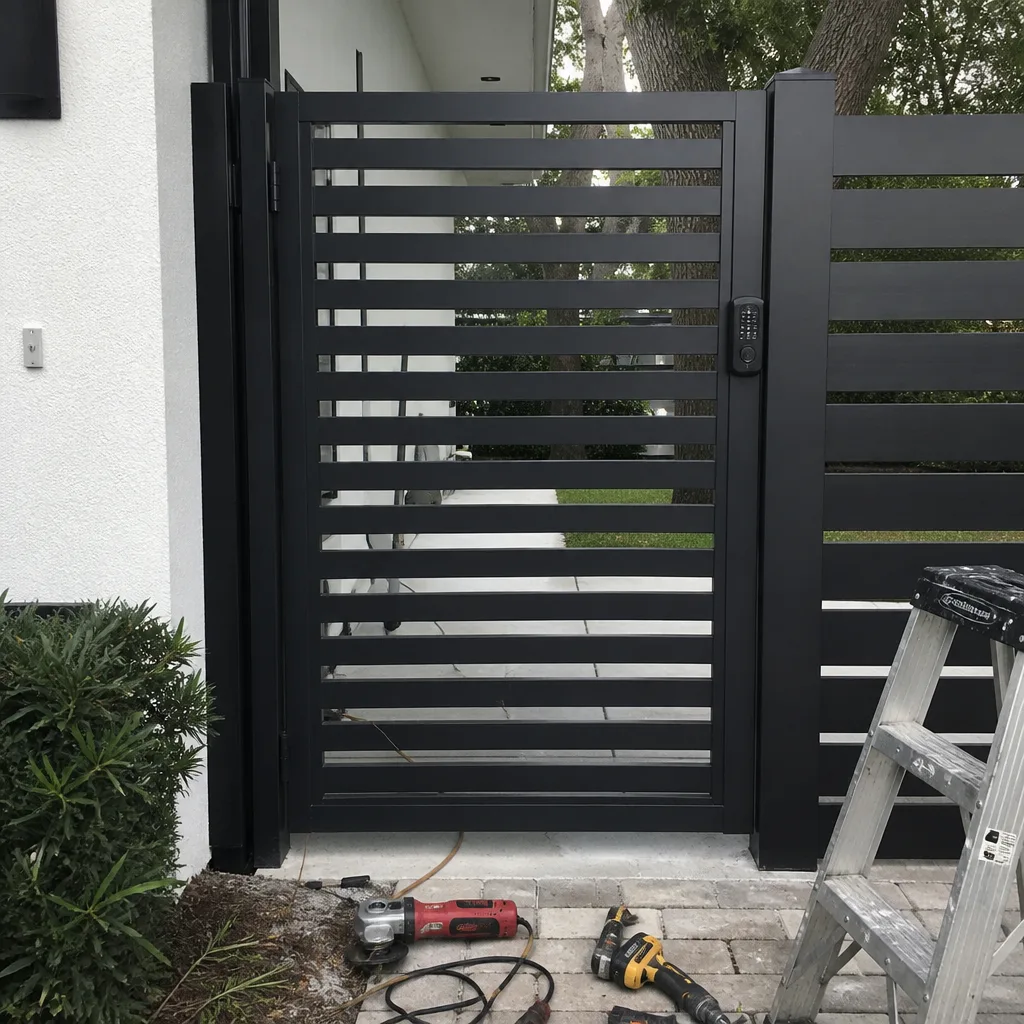 After
 Before
 After
 Before
 After